
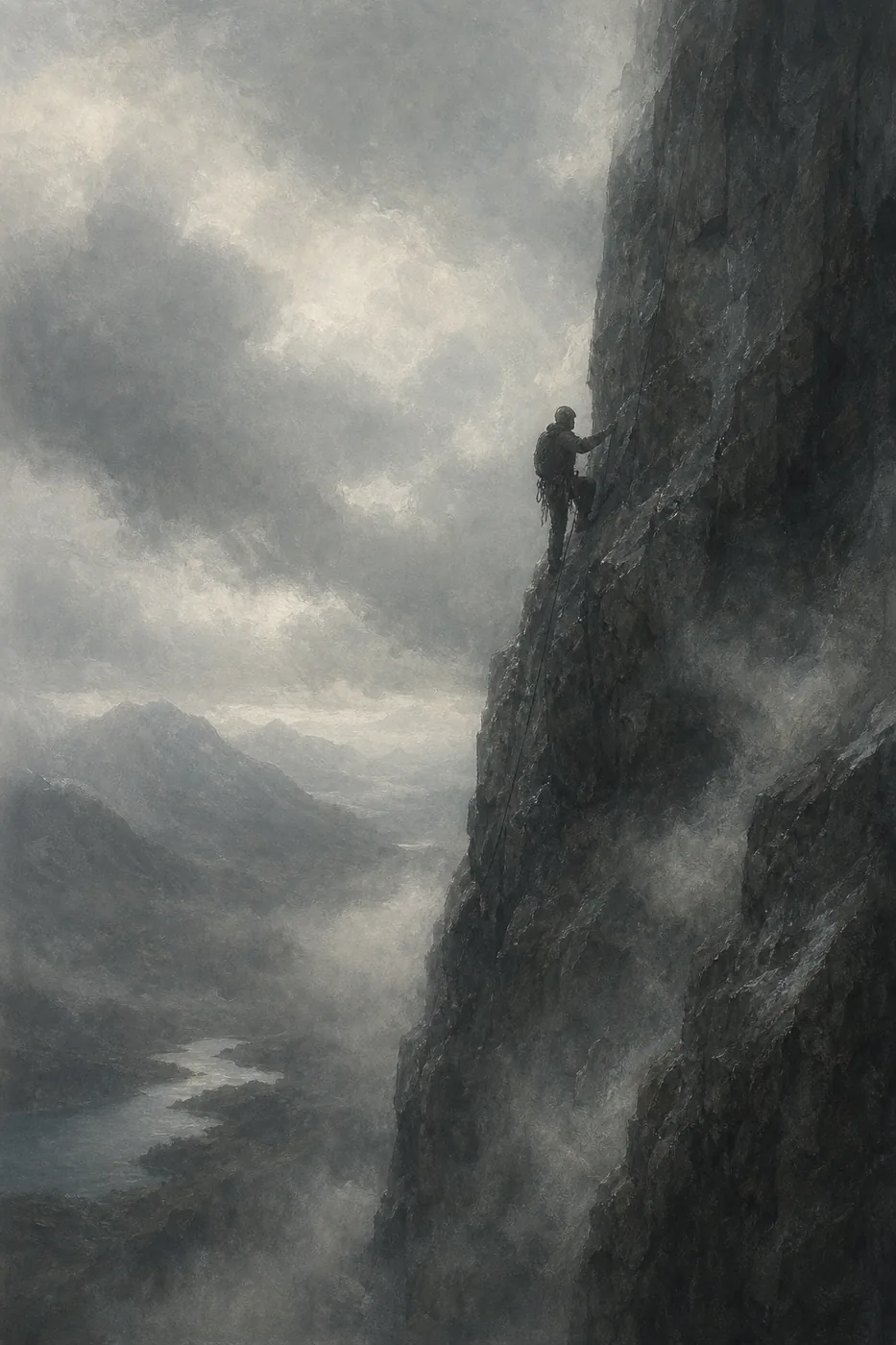
Climbers
Potret ambisi yang terkikis oleh batu dan cuaca — pendakian sebagai metafora tanpa ampun, dengan prosa setipis tepian tebing saat senja.
Baca selengkapnya
Fiksi & Kritik
Novel, cerita, dan esai dari batas ketika lanskap berubah menjadi metafora — ditulis untuk pembaca yang lebih menyukai ambiguitas daripada penghiburan.
Publikasi Pilihan
Enam tonggak dalam empat dekade — dari kerasnya batu kapur dalam Climbers hingga paroki-paroki yang tenggelam di Sunken Land.
Potret ambisi yang terkikis oleh batu dan cuaca — pendakian sebagai metafora tanpa ampun, dengan prosa setipis tepian tebing saat senja.
Baca selengkapnya
Tiga kehidupan mengorbit institut fisika yang sedang runtuh, tempat kenyataan mulai terurai di tepiannya. Buku tentang ketiadaan yang memenuhi ruangan.
Baca selengkapnya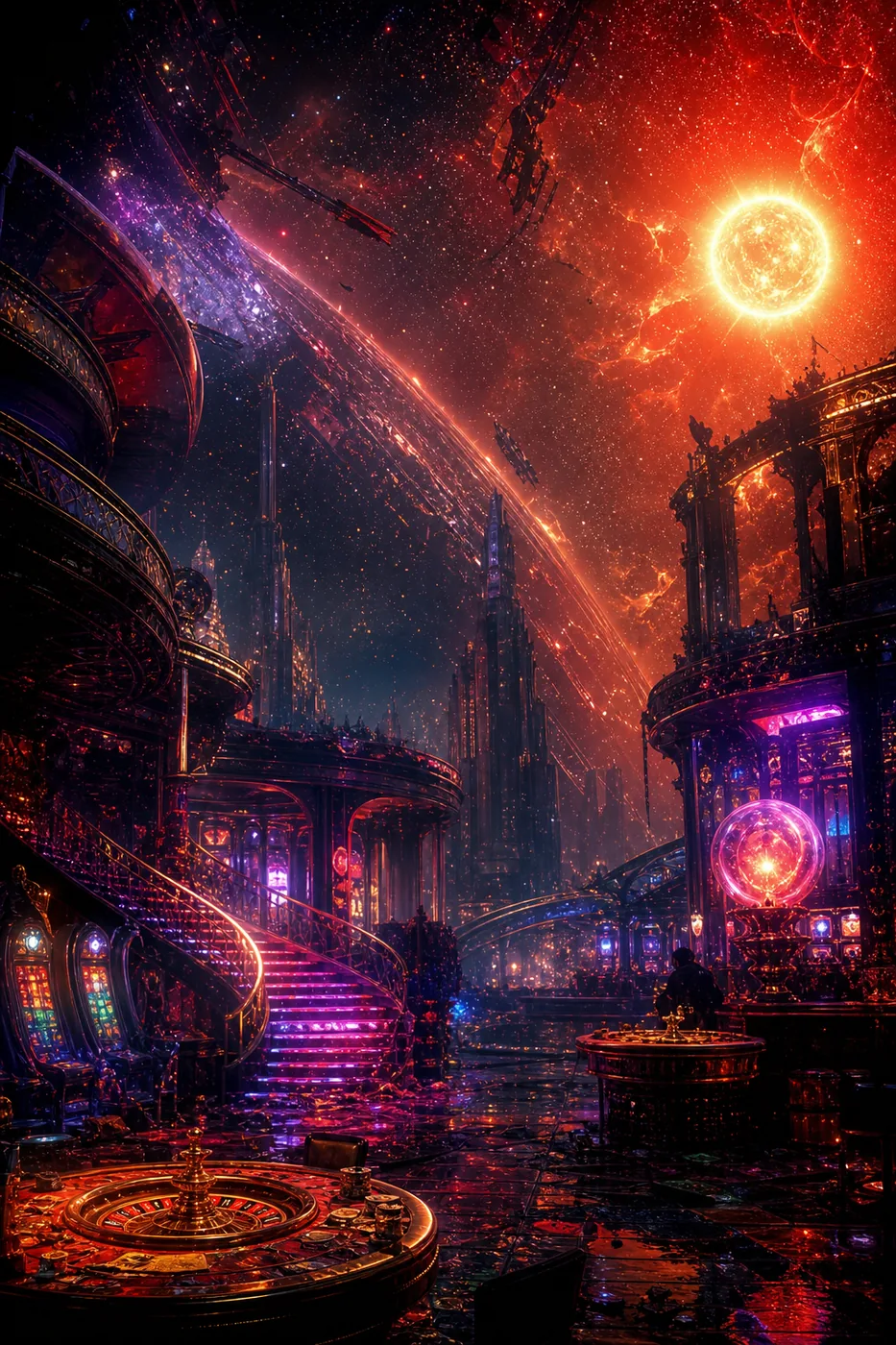
Fantasi entropis di tepi sistem bintang yang sekarat. Bar temaram, orang suci, dan keruntuhan perlahan setiap cerita yang Anda kira miliki.
Baca selengkapnya
Inggris yang terbengkalai, tepian yang tenggelam, dan kebangkitan gelisah kekuatan lama. Novel yang beraroma hujan di atas aspal panas.
Baca selengkapnya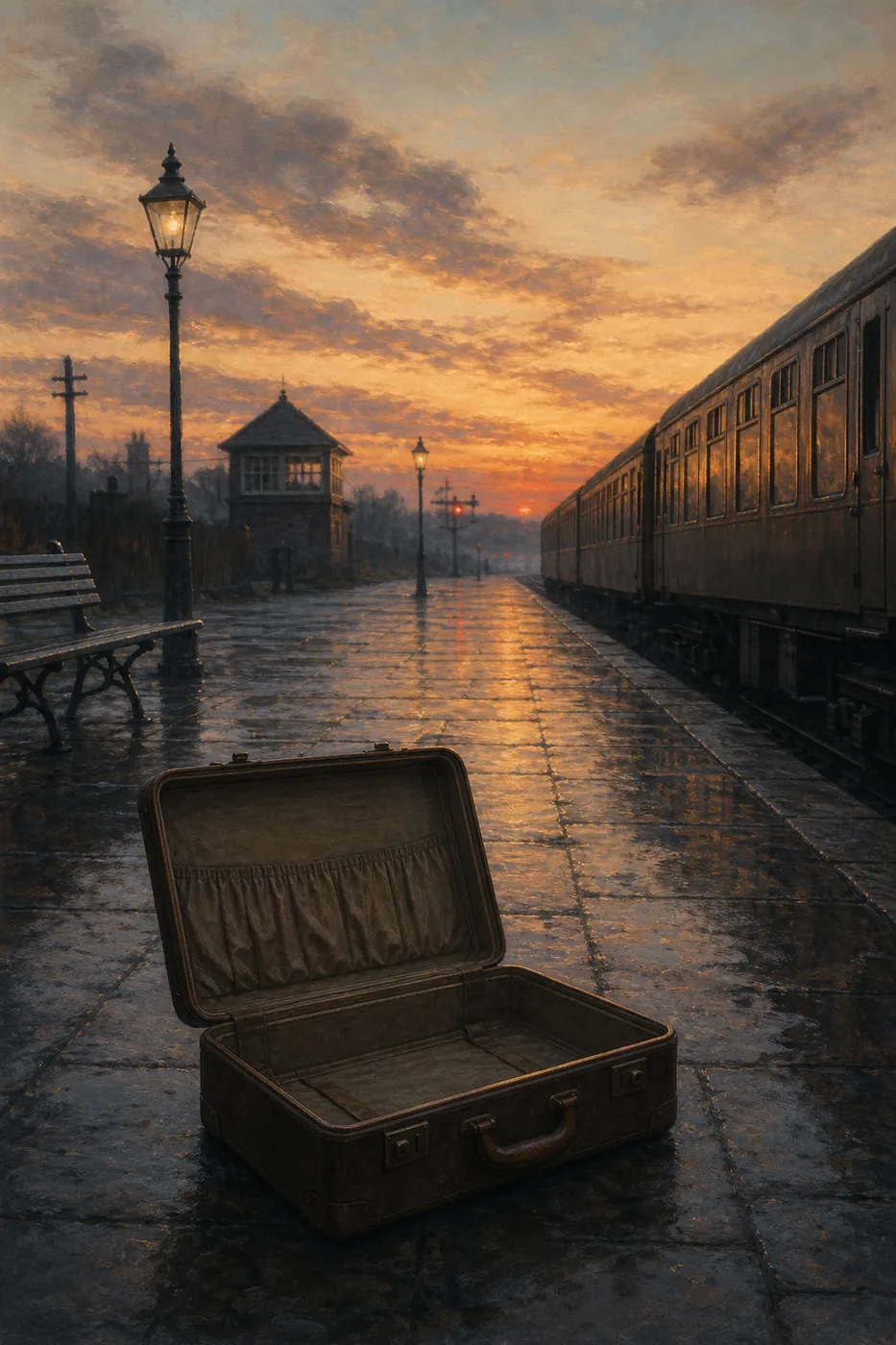
Fiksi pendek yang diasah hingga tajam — perjalanan, duka, dan kelucuan dari hampir berada di tempat lain.
Baca selengkapnya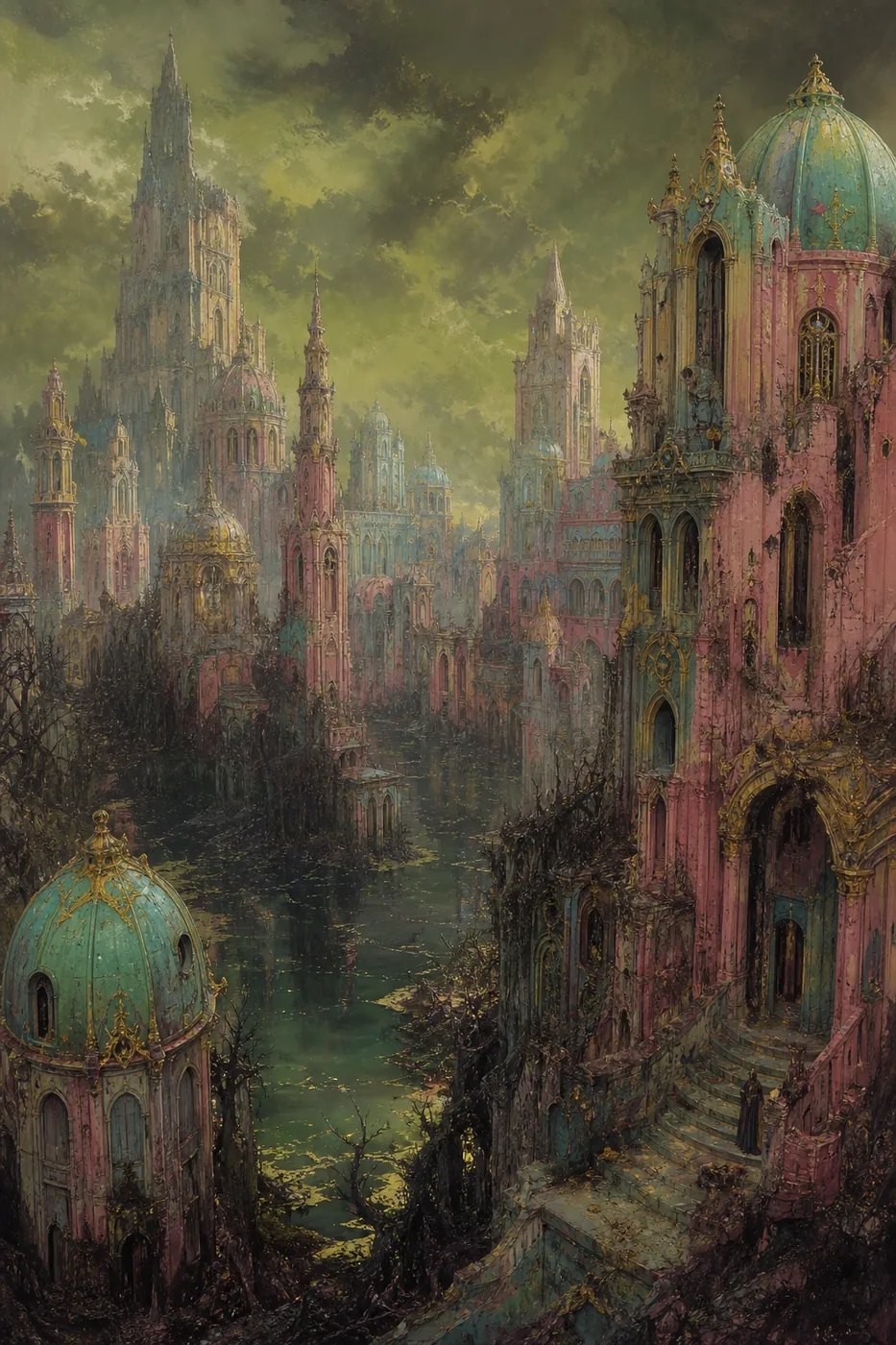
The Pastel City dan kelanjutannya: metropolis imajiner yang menolak tetap imajiner. Kemerosotan, kehancuran, dan seni untuk pergi.
Baca selengkapnya
Sang Penulis
M. John Harrison adalah novelis dan kritikus Inggris yang karyanya berada di persimpangan fiksi spekulatif, modernisme sastra, dan kecintaan tanpa sentimentalisme pada lanskap Inggris. Ia kerap disebut — dengan tepat, meski sedikit mengusiknya — sebagai penulis bagi para penulis.
Dari rangkaian Viriconium hingga Nova Swing dan seterusnya, fiksinya memperlakukan genre sebagai bahan, bukan kostum: sesuatu yang dipotong melawan serat hingga menampakkan sosok manusia yang canggung di bawahnya. Kritiknya, yang diterbitkan luas selama beberapa dekade, membela ketelitian tanpa kepura-puraan dan prosa yang berani mengambil risiko memalukan.
Ia tinggal dan bekerja di berbagai sudut Inggris, serta terus menerbitkan fiksi, ulasan, dan sesekali catatan yang menolak menjadi esai.
Dari Buku Catatan
Renungan sesekali tentang keterampilan, tempat, dan keras kepalanya kesulitan menciptakan sesuatu dari imajinasi.
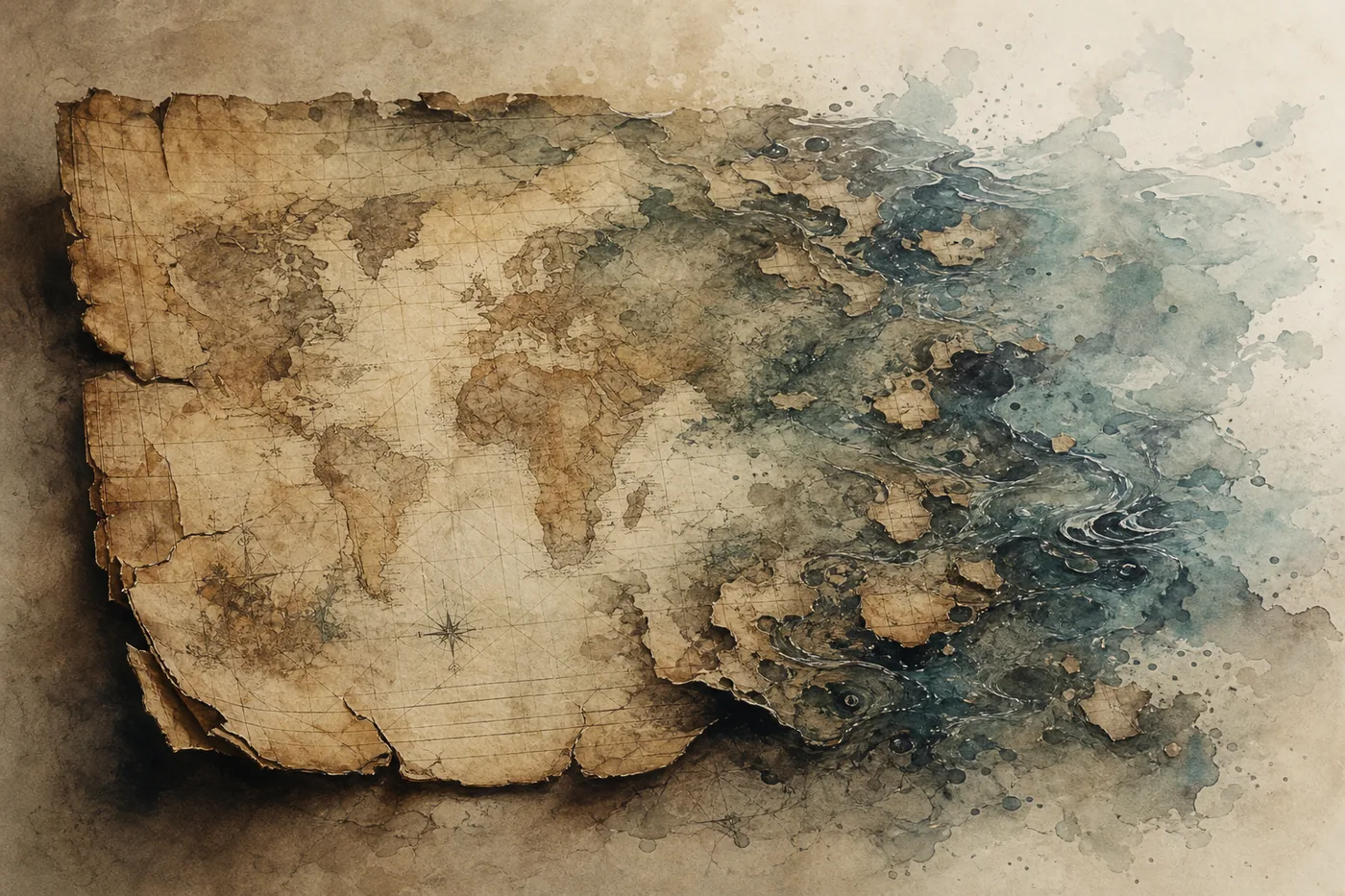
Setiap peta adalah pengakuan hasrat. Pantai yang Anda gambar tak pernah menjadi pantai yang menenggelamkan Anda; itu adalah pantai yang Anda harap diam cukup lama untuk dicintai.
Lanjutkan membaca
Cerita dari lokakarya berakhir saat hidup dimulai — pada momen rasa malu yang sesungguhnya. Saya tak tertarik pada fiksi yang meminta maaf karena telah memperhatikan sesuatu.
Lanjutkan membaca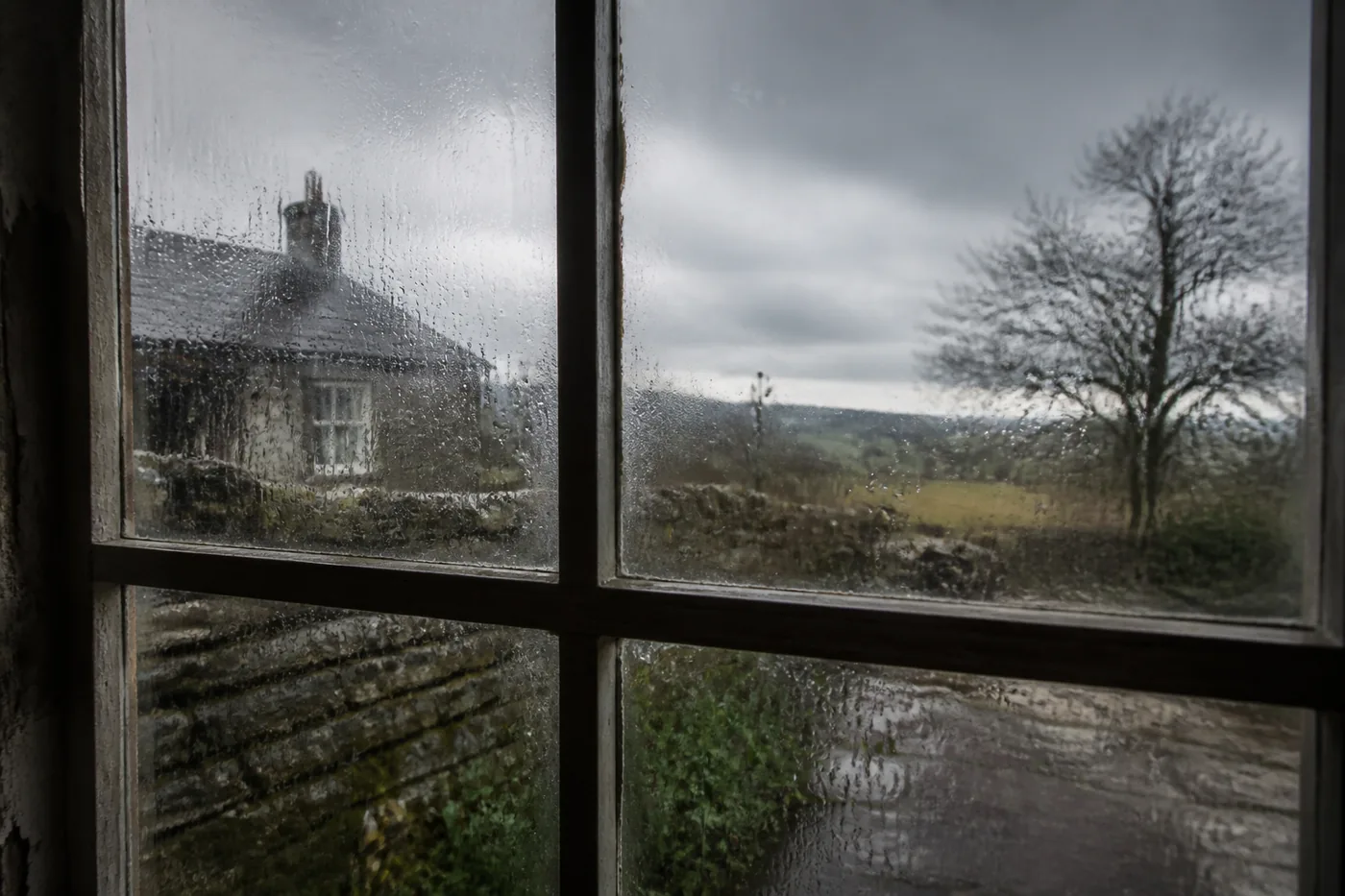
Cuaca Inggris bukanlah latar. Ia adalah kritikus tertua di ruangan itu, dan tak pernah menerbitkan ulasannya — ia hanya menunggu hingga Anda berpakaian untuk musim yang salah.
Lanjutkan membaca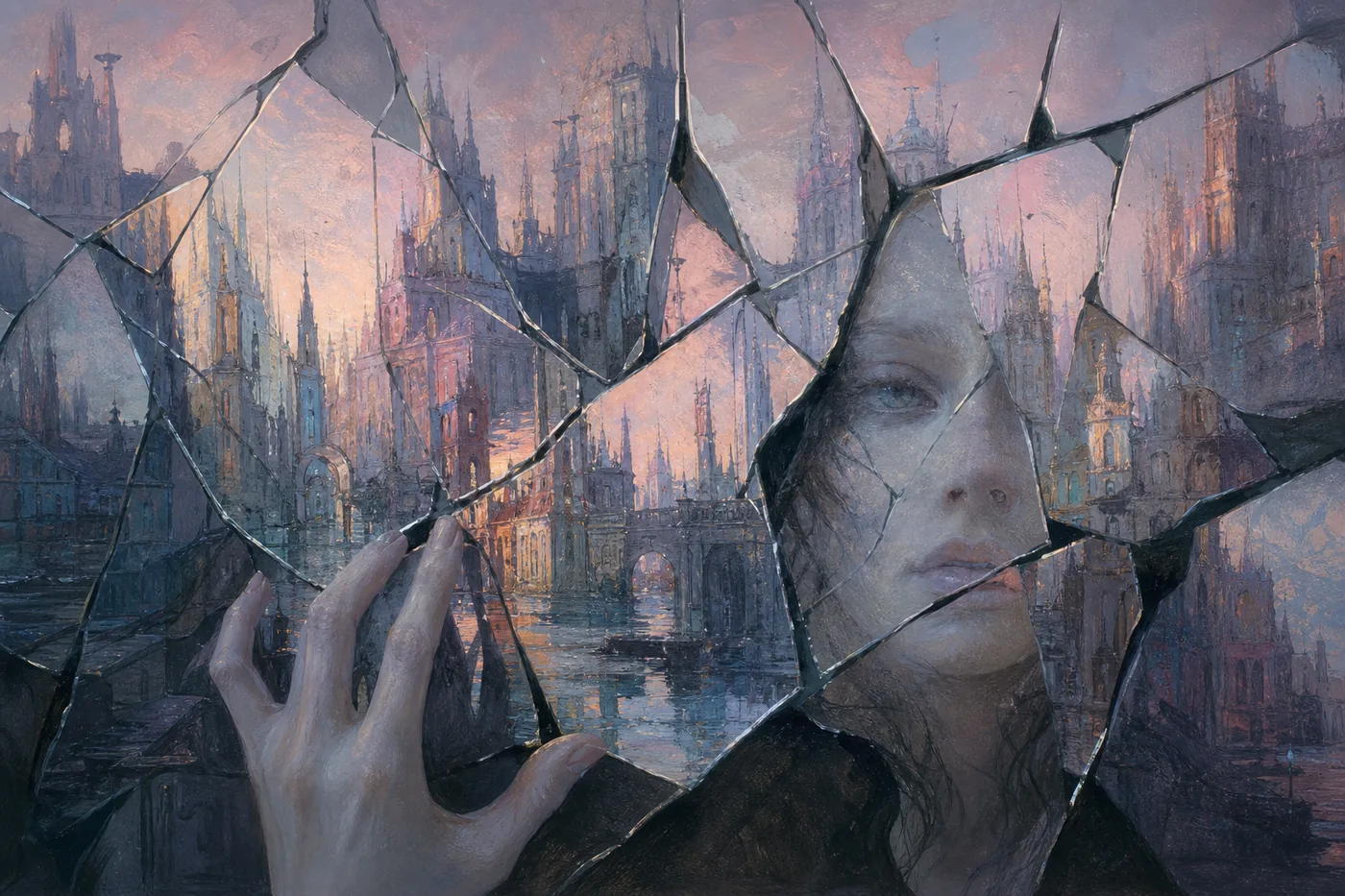
Orang bertanya apakah Viriconium adalah satu kota atau banyak kota. Jawabannya bukan keduanya: itulah tempat yang Anda tuju ketika kota sendiri tak lagi dapat dibaca.
Lanjutkan membaca
Fisika dalam fiksi seharusnya bertindak seperti duka — hanya terukur dari apa yang diambilnya dari meja. Light ditulis di ruangan dengan jendela menghadap utara.
Lanjutkan membaca
Membaca cepat adalah bentuk vandalisme yang sopan. Beberapa kalimat adalah pintu, bukan lorong. Lewati pintu itu atau akui bahwa Anda hanya sedang melintas.
Lanjutkan membacaEntah Anda datang untuk satu novel atau seluruh rak buku, halaman-halaman ini ditata untuk dijelajahi — bukan untuk diyakinkan.